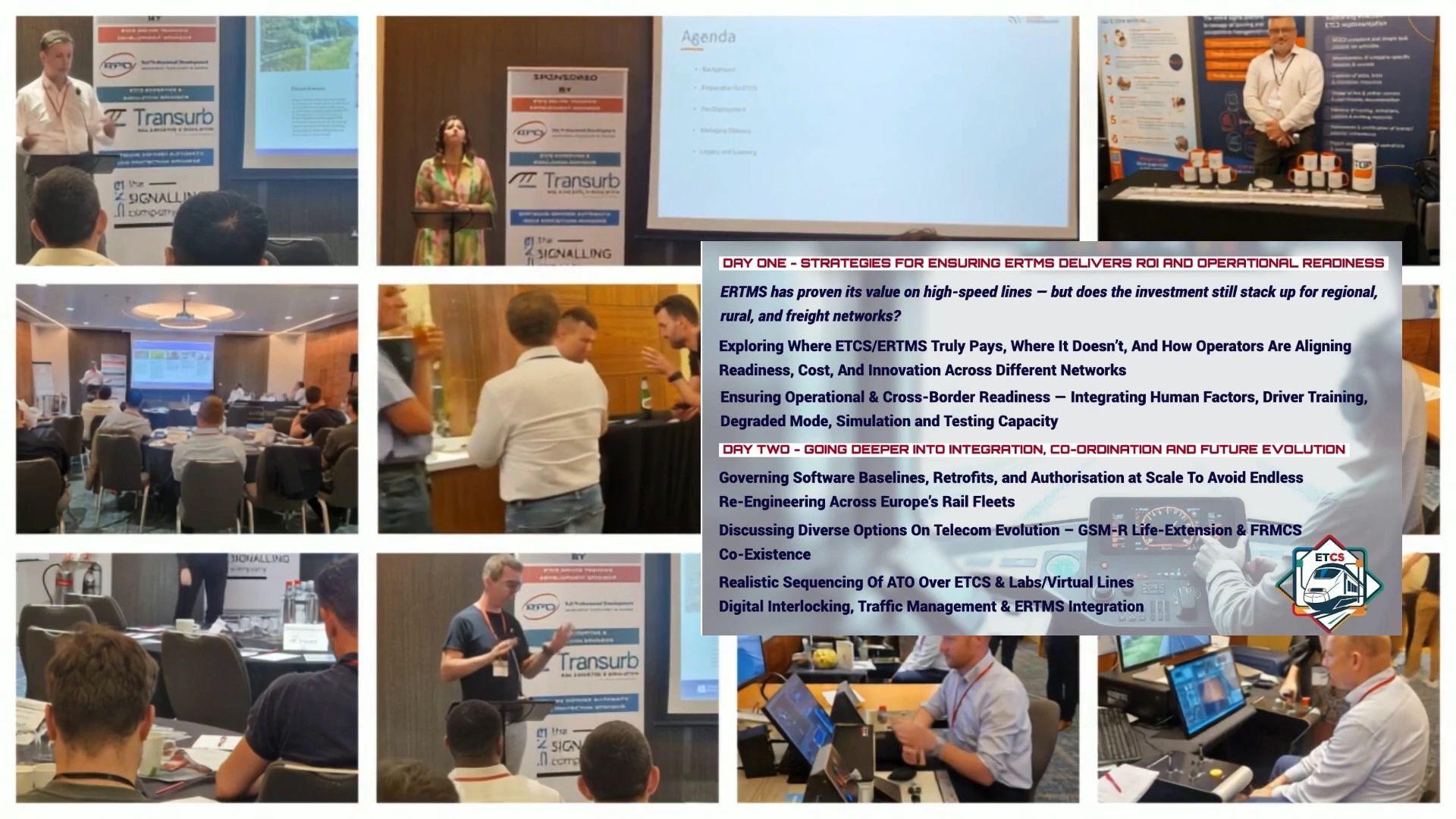
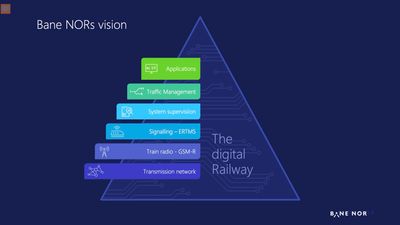
This provides a snapshot of the themes and pressures that shaped the two days—but it only begins to reflect the depth of insight shared across both the formal sessions and the more candid discussions around them.
What emerged is a picture of a European landscape that remains, by global standards, highly advanced in European Rail Traffic Management System deployment. At the same time, there is a growing recognition across different parts of the ecosystem that delivering the next phase at scale will require further alignment—particularly as programmes move from early implementation into repeatable, system-wide rollout.
Rather than being a question of capability or intent, the discussion is increasingly centred on how existing processes, frameworks and commercial models can continue to adapt in line with the realities of large-scale deployment—across both passenger and freight environments, and across networks with very different starting points.
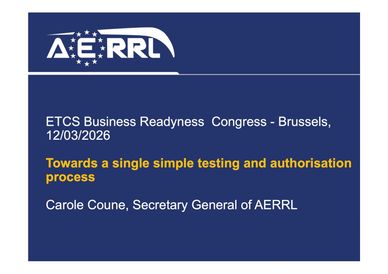
One area that was consistently referenced—albeit from different perspectives—was authorisation.
There was a shared sense among many contributors that, while the current frameworks are grounded in important safety and interoperability principles, there may be opportunities over time to explore how they can operate more efficiently in certain contexts. This is particularly relevant for iterative onboard changes, where some participants noted the cumulative impact of repeated reauthorisation cycles on cost, timelines and programme confidence.
In that light, several constructive lines of thought emerged, including:
- The potential to increase reuse of testing evidence and documentation where appropriate
- Continued exploration of more proportionate, risk-based approaches in specific scenarios
- Greater clarity and consistency around how different types of changes are categorised and assessed
- Ongoing dialogue around how recognition between national authorities could evolve over time
These are not simple questions, nor are they new—but they appear to be gaining renewed focus as programmes scale.
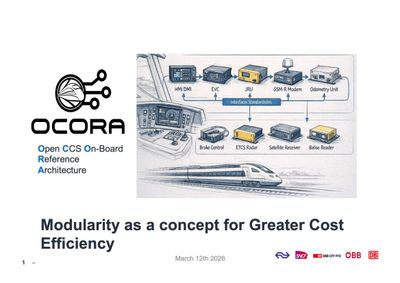
Alongside this, there was also interest in how assurance models themselves may develop. For example, some contributors pointed to the role that more modular system architectures could play in supporting more flexible and reusable assurance approaches. Others highlighted the possible value of expanding laboratory-based testing capacity as a complement to existing field-based processes—particularly where it can improve efficiency without compromising robustness.
The freight discussion brought a slightly different set of considerations.
Participants highlighted that, in some cases, the commercial drivers for onboard investment can look different from those in passenger programmes. As a result, there may be value in continued exploration of how funding approaches, incentives, or cost-sharing models could evolve—particularly in freight-heavy environments where the wider system benefits are clear, but the individual business case can be more complex.
Finally, there was a noticeable shift in how future upgrades are being thought about.
Several contributors reflected on the potential for more software-led upgrade pathways over time, which could help reduce operational disruption and create more flexible long-term upgrade cycles—although, as always, this brings its own technical and assurance considerations.
What the event ultimately highlighted is not a single conclusion, but a shared direction of travel.
ERTMS and ETCS are progressing—and will continue to do so. The focus now appears to be on how delivery models, processes and collaboration frameworks can continue to evolve alongside that progress, in a way that supports scale, maintains confidence, and reflects the diversity of operational realities across Europe.
But even at a high level, the tone of the conversation was clear:
There is strong momentum—combined with a growing openness to refine how that momentum is delivered in practice.
The full conference output—covering detailed case studies, extended Q&A discussions, and a broad set of recommendations—explores these themes in greater depth and are available to download on this website.
Steve D Thomas 1 April 2026